

Owner
9 min read
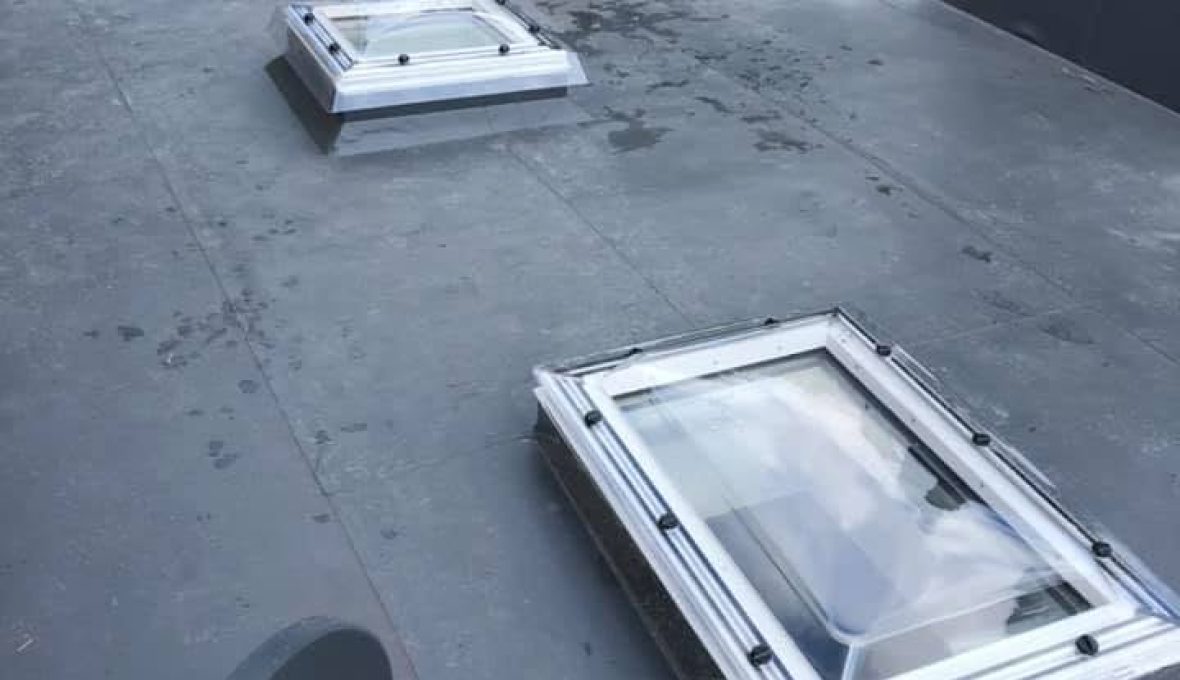
Most “mystery leaks” in Stirling start at a slipped slate, a cracked ridge, or tired leadwork, then track along sarking to show up somewhere else.
Temporary fixes are about stopping more water getting in safely, permanent repairs mean correct fixings to BS 5534 and proper detailing at chimneys and valleys.
Budget £300 to £900 for a straightforward leak repair, and £1,200 to £3,000+ if scaffold and chimney flashing are involved.
If you have a leaking roof in Stirling, the worst thing you can do is wait for it to “dry out”. In Central Scotland the next band of rain comes in quick, and water does not politely drip straight down, it runs along sarking boards, rafters, and underlay until it finds a weak point in the ceiling. The good news is most leaks are fixable without a full strip, if you catch them early and repair the right detail, not just the stain. Below is what we look for on Stirling, Bridge of Allan and Dunblane roofs, what you can check safely from the ground, and what it normally costs to put right properly.
Stirling sits right in the path of wind driven rain coming up the Forth valley. You get the first hit of wind uplift, then the rain comes later and finds the gap. That is why we see leaks after named storms, Storm Babet soaked eastern Scotland, then Storm Isha and Storm Jocelyn followed with 70mph plus gusts in places, and even Storm Éowyn brought forecasts of 80mph plus gusts for exposed areas. In practical terms: a slate lifts at the hip or the ridge, a lead step flashing cracks at the chimney, the ceiling stain appears a day or two later and it looks “random”. It is not random, it is water tracking along the roof build up.
A lot of Stirling stock is older, sandstone villas in places like Kings Park, Riverside, and up towards Bridge of Allan, and post war estates round Raploch and Cornton. The older roofs often have slates fixed to sarking boards (Scottish practice), not modern battens. When water gets in, it can travel across the sarking and pop out well away from the entry point. If the roof was last worked on before modern breathable membrane and BS 5534 fixing details became normal, wind uplift is a bigger risk. If you suspect an active leak, book a proper inspection and repair through roof repair, not a tub of sealant.
– William Young, Owner
Inside the house, the early signs are usually subtle: a brown or yellow tide mark on the ceiling, bubbling paint, a damp smell in a cupboard at the gable end, or mould at the wall to ceiling junction. If the patch grows after rain, that is a leak until proven otherwise. In rentals around Alloa and Stirling, we also see tenants report “condensation”, but the giveaway is a single localised wet patch rather than general surface moisture. If you are unsure, our write up on warning signs is worth a look, Article 2 (Warning Signs).
The loft is where you get the proper clues. Take a torch up on a dry day and look at the underside of the sarking boards and along the rafters. You will often see a dark water stain, wet nail tips, or clean streaks where water has washed dust away. If you can see daylight through the roof covering, it is urgent. Do not step between joists, and do not move insulation around wiring. From outside, keep it ground level: look for slipped or missing slates, a cracked ridge line, vegetation sitting in a valley, and gutters overflowing in rain. Overflowing gutters can push water back up under the first course and soak the eaves and fascia.
Put a pencil mark at the edge of the damp patch and date it. If it grows after the next rainfall, you have active ingress, not an old spill.
Look for staining on sarking, damp along rafters, and wet nail tips. Water often runs sideways before it drops into a ceiling.
Scan ridges, hips, verges, valleys, and around chimneys. One slipped slate or lifted flashing can be the whole problem.
If water is near a light fitting or consumer unit area, isolate the circuit and keep buckets away from cables, then call us.
On pitched roofs in Stirling and Dunblane, the common ones are simple: slipped slate, nail sickness, a cracked ridge tile, or a problem at the verge where wind drives rain under the edge. With modern slating and tiling, BS 5534 sets out how battens and mechanical fixings should resist wind uplift. On older roofs, you are often dealing with traditional Scottish slating practice, slates fixed to sarking. When repairs are done badly, like mixing gauges, wrong slate size, or over driving nails, you can create a leak that was not there before. If the roof is natural slate, it should be suitable to BS EN 12326-1 for durability, and matching matters, especially on the front elevations.
The most common “small leak” we fix is not the slate, it is the detail: leadwork at chimneys, dormers, and abutments. Step flashings and soakers in Code 4 or Code 5 lead need to be dressed and fixed correctly, and old lead splits where it has been stressed or pinned too tight. We do a lot of this work under leadwork, because patching with mastic is a short holiday, not a repair. For slate roofs, we are usually working with Welsh, Spanish, or reclaimed Scotch slate, and we cover that under slate roofing.
Do not ignore the basics either. Blocked gutters, especially after a blow, will overflow and soak the eaves. That water can get behind fascia boards, rot the ends of rafters, and then start coming through at the wall head. Valleys are another regular one, moss and debris sits in the valley, water backs up, then gets under the slate at the cut. Flat roofs on garages and extensions in places like Alloa and Causewayhead can leak at seams and upstands, and the drip inside might be metres away from the split.
A roof leak is not just a cosmetic ceiling stain. First it soaks insulation, and your loft stops doing its job, so heating costs creep up. Next it starts on the timber, sarking boards, rafter ends at the eaves, and any old bits of felt or underlay. After that you are into plaster damage, blown skim, and in the worst cases a ceiling that sags and drops. We have seen it in Bridge of Allan villas where a small chimney leak was left through a winter, and by spring the sarking at the chimney cheek was soft and the lath and plaster in a bedroom had to come down.
The other issue is scope creep. What could have been replacing 4 slates and redressing a lead step flashing becomes: scaffold, strip back around the chimney, new breathable membrane, new treated batten, replacing rotten sarking, and then relaying slate to the correct gauge. If the repair turns into structural alteration, you might also be looking at building standards and a warrant. MyGov.Scot is clear that warrants apply for structural change. On listed buildings or in conservation areas, you also need to think about like for like materials and consents, especially in parts of Stirling town centre. Either way, the longer you wait, the more it costs.
– William Young, Owner
An emergency fix has one job: stop more water getting into the building and keep things safe until we can do the proper repair. That might mean a temporary cover over a local area, a temporary mechanical re-fix of a slipped slate, or clearing a blocked outlet that is overflowing into the eaves. Inside, move anything valuable, put a bucket under the drip, and keep water away from electrics. If a ceiling is bulging, do not poke it, the weight of wet plaster can come down suddenly.
Permanent repairs are about reinstating the roof as a system, not just hiding a hole. That means correct slate or tile replacement, correct nail or clip fixing to suit exposure, sound battens where applicable, and properly lapped breathable membrane. At chimneys and abutments it means the right lead details, step flashings and soakers, correct chase, and lead wedges and sealant used properly, not smeared over the surface. If you want a deeper guide to how we approach repairs, see Article 3 (Repair Guide), and for flashing failures specifically see Article 12 (Flashing).
Call straight away if you have active water near electrics, a ceiling sagging, a chimney flashing hanging loose, or slate loss after a storm. In Stirling, we commonly get calls the morning after a blow, then the leak shows up later that week when the next rain comes in. If you are in a taller property, a three storey villa in Bridge of Allan for example, do not take chances on access, get a roofer with the right kit, insurance, and scaffold where needed. Our general work sits under roofing, and leak call outs and diagnostics are under roof repair.
If the building is listed, or you are in a conservation area, get advice early so you do not create a consent problem by changing materials on a prominent slope. Like for like slate, matching ridge, correct lead details, it all matters. Also be realistic about what you can see: the stain inside rarely lines up with the defect outside, especially on sarking board roofs. A proper inspection finds the entry point, checks adjacent details, and gives you a written scope so you can make a decision based on facts and cost.
For 2026 in Stirling and the surrounding towns, most straightforward leak repairs land in the £300 to £900 range, including labour and small materials, assuming we can access safely off a ladder and it is a simple slate or tile issue. If you need scaffold, costs jump because access is the big driver on a lot of our local housing stock. A small scaffold to one elevation for a 2 storey house is commonly £650 to £1,200, and a larger wrap round scaffold for a villa or chimney work can be £1,500 to £3,500+ depending on height and duration.
Chimney and flashing jobs vary. Renewing lead step flashing and soakers at one chimney side is often £750 to £1,600, more if the pointing is shot and the chase needs rebuilt. Valley repairs can be £900 to £2,500 depending on whether it is a localised clean and re-dress, or a full strip and new valley lining. Slate matching affects price too, reclaimed Scotch slate is not the same money as a modern Spanish slate. If you want more cost examples, we have a dedicated breakdown here, Article 10 (Repair Costs). Most roof leak repair work is standard rated VAT at 20%, insulation upgrades can be different, but a leak fix is usually plain 20% VAT.
A leaking roof in Stirling is nearly always a detail failure made worse by our weather, wind uplift, driven rain, and gutters that clog fast after a storm. Catch it early and you are usually talking about a tidy repair, replace a few slates, resecure a ridge, renew a section of leadwork, and you are back to wind and watertight. Leave it and you start paying for rotten sarking, damaged rafters, and internal repairs that cost more than the roof work.
If you have a fresh stain, damp loft timbers, or you have noticed slipped slates after a blow in Stirling, Alloa, Dunblane, or Bridge of Allan, get it checked and fixed properly. Photograph what you can safely see, note when it happens, and then book a repair before the next band of rain turns it into a bigger job.
If you think the leak is storm related, photograph slipped slates, ridge damage, and internal staining straight away, then keep notes of dates and rainfall. Insurers and the Financial Ombudsman look at whether storm conditions occurred and whether the damage matches storm impact, not long term wear and tear.
If water is coming through near a light fitting, if the ceiling is sagging, or if you can see multiple slates missing after wind, treat it as urgent. Same goes for any obvious chimney movement, loose pots, or leadwork flapping, because that can become a safety issue as well as a leak.
If you are not sure where the water is getting in, or the stain keeps coming back, get a roofer to trace it properly in the loft and on the roof. A correct diagnosis saves money because you fix the entry point, not just the symptom. We cover Stirling, Alloa, Falkirk, Dunblane and the wider Central Scotland area. Call 01259 726404 or message us on WhatsApp.
Look for a stain that grows after rainfall, damp loft insulation, water marks on sarking boards, and wet nail tips. In Stirling, leaks often show up a day or two after a windy night when the next rain arrives.
No, if anything it usually gets worse as water opens up the detail and keeps the timbers damp. A “small” leak can rot sarking and rafter ends over one Scottish winter.
A simple repair is often £300 to £900 in 2026 pricing, but chimney flashing and scaffold can push it to £1,200 to £3,000+. The big drivers are access, slate matching, and leadwork detail.
Call a local NFRC member roofer with insurance and a written guarantee, especially if scaffold is needed on a villa or a chimney. You can reach Prestige Roofers and Builders on 01259 726404 for leak diagnosis and repairs in Stirling, Alloa, Dunblane, and Bridge of Allan.

William has spent over two decades on Scottish roofs, working from apprentice slater to running a Stirling-based team that re-roofs villas and repairs storm damage across the central belt. He writes about roofing the way he talks on a survey: straight, costed and honest.
40+ yrs combined experience · Stirling · NFRC member
Targeted fixes for slipped slates, broken tiles, valleys, and leak tracing across Stirling and the Central Belt.
Code 4 and Code 5 lead flashings and soakers for chimneys, dormers, and abutments.
Welsh, Spanish, and reclaimed Scotch slate repairs and renewals to the right gauge.